Zero-Click Search Optimisation | How to Rank in Answer-First Search
By Moumita Das, Associate, Digital Branding and Strategy ·
Ever typed a question into Google and found the answer right at the top, without even clicking a link? That’s zero-click search in action, and it’s changing how we find information. If you’re wondering how your business or website can stand out in this answer-first world, you’re in the right place. This guide will walk you through zero-click search optimisation: what it means, why it matters, and, most importantly, how you can rank where it counts most.
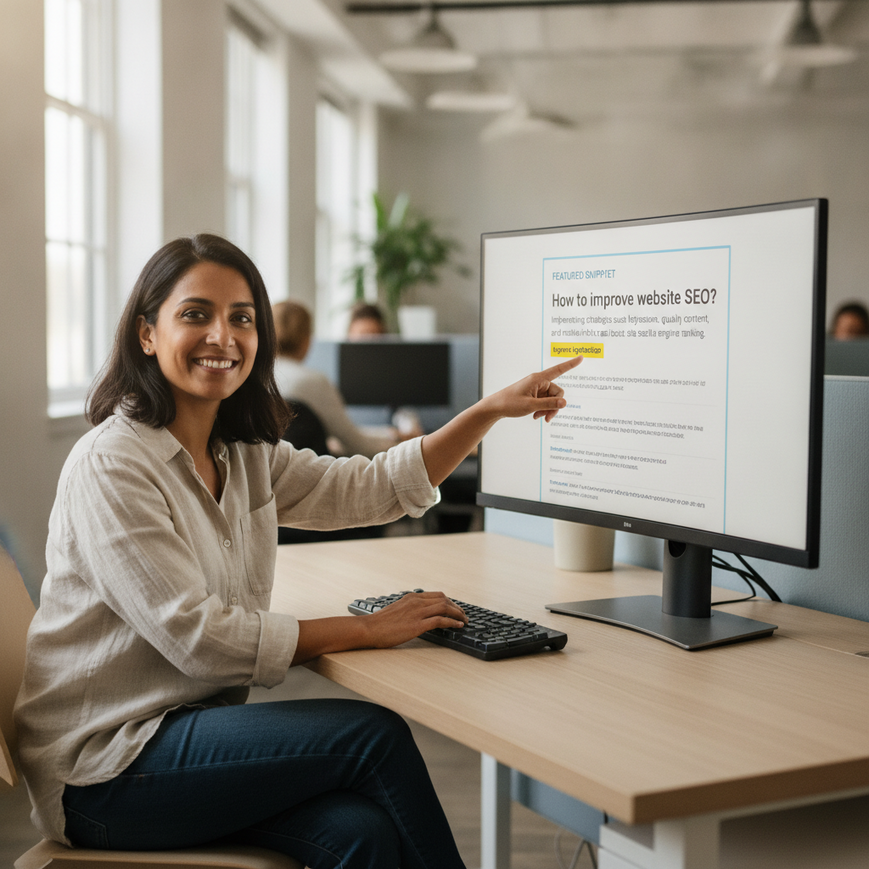
What is Zero-Click Search?
Zero-click search happens when someone gets the answer to their question right on the search results page. No need to click through to a website. You’ll often see this with featured snippets, quick answers, calculators, weather updates, and other info boxes. For example, if you ask, “How tall is the Eiffel Tower?” Google usually tells you right away above all the blue links.
Why does this matter? Because more than half of all searches end without a click. That means if your content isn’t showing up in these answer boxes, you might be missing out on valuable visibility and traffic. But the good news is, with the right approach, you can land your answers at the top.
How Zero-Click Search Impacts Your Traffic
It’s easy to worry that zero-click searches take visitors away from your website. After all, if people get answers on Google, why would they visit your page? But there’s another side: being featured in an answer box builds trust and authority. If your answer appears first, users are likely to remember your brand or return for more information later.
Plus, zero-click results are prime real estate. They’re often read by voice assistants and shown above all other results. That means even if people don’t click, they see your name, your answer, and your expertise. It’s a way to get discovered, not just for clicks, but for recognition.
Optimizing Content for Answer-First Search
So, how do you actually optimize your content for zero-click search? It starts with understanding what kinds of questions people ask and how search engines choose which answers to feature.
First, focus on questions and simple facts. Search engines love direct answers to things like “how,” “what,” “where,” and “why.” If you can explain something in a clear, concise way, you’re a strong candidate for a featured snippet or answer box.
Second, structure your content so it’s easy to scan. Use short paragraphs, clear headings, and natural language. Think about how you’d explain a topic to a friend, not how you’d write an essay. When search engines crawl your site, they look for content that’s easy to pull and show as a direct answer.
Third, include the question as a heading or early in your paragraph. For instance, if you want to rank for “What is zero-click search optimisation?” start a section with that exact question and answer it right away.
Types of Featured Snippets and How to Target Them
Not all zero-click results are the same. Here are the main types you’ll see and how you can target each one:
- Paragraph snippets: These answer a question in a few sentences. To rank here, write a clear answer of two to four sentences directly under a heading that asks the question.
- List snippets: These show steps or items, like recipes or instructions. Use numbered or bulleted lists (but keep them simple and clear).
- Table snippets: These display data, like pricing, schedules, or comparisons. If you have information that fits a table, format it using simple HTML tables on your page.
By matching your format to what Google likes to show, you increase your chances of being chosen for these spots.
Using Schema Markup for Better Visibility
Schema markup is a bit of behind-the-scenes code that helps search engines understand your content. Think of it as giving Google a roadmap to your answers. By adding schema, you make it easier for your website to qualify for answer boxes, FAQs, and other rich results.
For example, if you have a frequently asked questions page, adding FAQ schema can highlight your answers directly in search results. The same goes for how-to guides, recipes, and more. You don’t need to be a coding expert, many website platforms and plugins make schema easy to add with just a few clicks.
Keep It Human: Write for People, Not Just Search Engines
It’s tempting to write only for algorithms, but remember: real people are reading your answers. Use plain language. Avoid jargon. Break up big chunks of text. Tell a quick story or give an example when it helps. If you’re explaining zero-click search optimisation to a friend, would you use fancy terms or keep it simple? Simple always wins.
Also, update your content regularly. Search trends change, and so do the questions people ask. Refresh your answers to stay relevant and keep your spot in answer boxes.
Measuring Success With Zero-Click Search
How do you know if your zero-click search optimisation is working? Start by watching your impressions in Google Search Console. Even if clicks don’t rise, a boost in impressions means more people are seeing your answers.
Pay attention to brand awareness signals, too. Are more people searching for your brand name? Do you see a rise in direct visits? These are signs that your answer-first strategy is building recognition.
Conclusion
Zero-click search optimisation is about more than just chasing clicks. It’s about making sure your answers reach people where they’re searching, building trust and authority along the way. Ready to boost your visibility and put your answers front and center? Contact us to learn more.